AI Agents vs Traditional Automation: Which Will Dominate Work in 2026?
Work has always evolved with technology. From manual labor to machines, from spreadsheets to software, every generation has seen tools that changed how people work. But 2026 stands at a different kind of turning point. This time, the shift is not just about faster tools — it’s about systems that can think, decide, and act.
At the center of this shift is a growing comparison: AI Agents vs Traditional Automation. Both aim to make work easier and more efficient, but they are fundamentally different in how they operate and what they can achieve.
So the real question is not whether automation will exist in 2026 — it’s which kind of automation will dominate work.
Understanding Traditional Automation
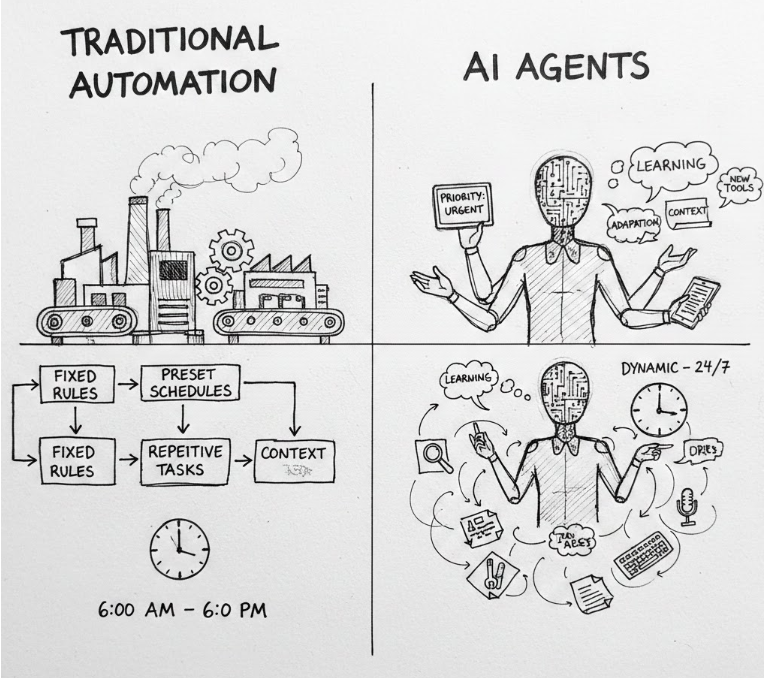
Traditional automation is something most workplaces already use. It is rule-based, predictable, and controlled. These systems follow fixed instructions written by humans.
Examples of traditional automation include:
-
Scheduled email responses
-
Payroll processing systems
-
Data entry scripts
-
Workflow tools with fixed triggers
-
Manufacturing robots performing repetitive tasks
The logic is simple:
If X happens → do Y
Traditional automation is reliable, fast, and safe when tasks are repetitive and well-defined. It reduces human error and saves time, especially in structured environments.
But it has limits.
Limitations of Traditional Automation
Traditional automation struggles when:
-
Conditions change unexpectedly
-
Decisions require judgment
-
Data is incomplete or unclear
-
Tasks involve multiple steps across systems
-
Human-like understanding is needed
If a new situation appears that wasn’t programmed, traditional automation stops. It doesn’t adapt. It doesn’t learn. It waits for humans to update the rules.
This is where AI agents enter the picture.
What Are AI Agents?
AI agents are systems designed to work toward goals rather than follow fixed rules. Instead of being told exact steps, they are given an objective.
For example:
-
“Prepare a weekly report and highlight risks”
-
“Handle customer support tickets and resolve simple issues”
-
“Optimize this workflow to save time”
-
“Plan tasks based on priority and deadlines”
An AI agent can:
-
Break goals into steps
-
Decide what action to take next
-
Use multiple tools or systems
-
Adjust based on results
-
Learn from past outcomes
This makes AI agents far more flexible than traditional automation.
Key Difference: Rules vs Reasoning
The biggest difference between the two is how decisions are made.
Traditional Automation
-
Follows fixed rules
-
Needs manual updates
-
Works best in stable environments
-
Cannot handle ambiguity
AI Agents
-
Reason based on context
-
Adapt to new situations
-
Handle complex workflows
-
Improve over time
In short:
Traditional automation executes work.
AI agents manage work.
Impact on Everyday Work in 2026
By 2026, workplaces are expected to look very different.
In Offices
Traditional automation may still handle:
-
Attendance tracking
-
Salary calculations
-
Routine approvals
AI agents will handle:
-
Task prioritization
-
Drafting reports
-
Summarizing meetings
-
Managing calendars
-
Coordinating between teams
In Software Development
Traditional automation:
-
CI/CD pipelines
-
Build scripts
-
Scheduled tests
AI agents:
-
Code suggestions
-
Bug detection
-
Test generation
-
Refactoring advice
-
Documentation writing
In Customer Support
Traditional automation:
-
Chatbot FAQs
-
Ticket routing
AI agents:
-
Understanding customer intent
-
Resolving simple cases
-
Escalating complex issues
-
Learning from past conversations
Speed vs Intelligence
Traditional automation is extremely fast — but only within its limits. It cannot think outside predefined paths.
AI agents may sometimes be slower, but they choose better actions. Over time, this leads to higher productivity because fewer human corrections are needed.
Speed alone doesn’t dominate the future.
Smart speed does.
Cost and Risk Considerations
Traditional automation:
-
Lower initial risk
-
Easier to audit
-
Predictable behavior
AI agents:
-
Higher complexity
-
Need monitoring
-
Require ethical and security boundaries
In 2026, many organizations will not fully replace traditional automation. Instead, they will combine both.
Critical systems will still rely on traditional automation, while adaptive tasks move to AI agents.
Which Will Dominate Work in 2026?
The answer is not “one replaces the other”.
But dominance is about where most value is created.
Traditional automation will dominate:
-
Repetitive tasks
-
Compliance-heavy workflows
-
Fixed business processes
AI agents will dominate:
-
Knowledge work
-
Decision-heavy tasks
-
Multi-system coordination
-
Creative and analytical workflows
As work becomes more complex and dynamic, AI agents will shape how work is organized, even if traditional automation still runs in the background.
What This Means for Workers
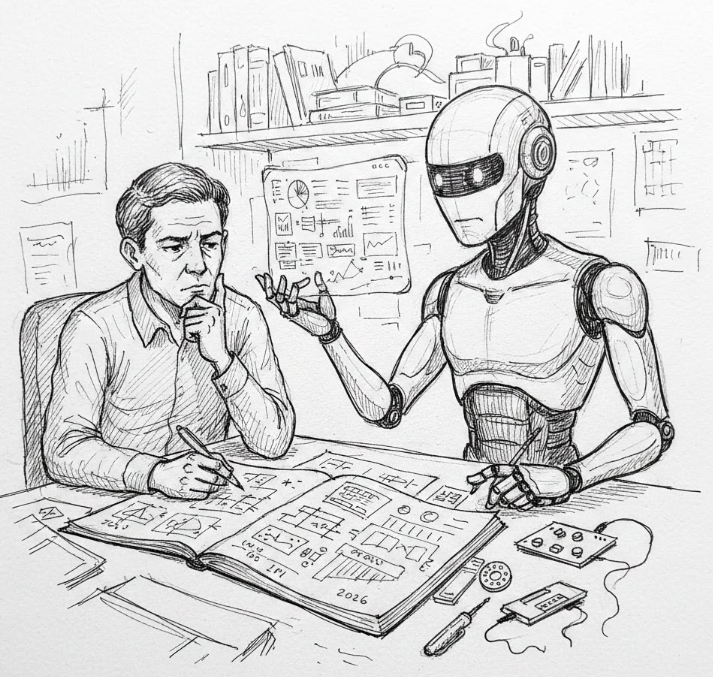
For people, this shift is not about losing jobs — it’s about changing roles.
Humans will:
-
Define goals
-
Review outcomes
-
Handle judgment and ethics
-
Make final decisions
AI agents will:
-
Handle execution
-
Manage information overload
-
Reduce repetitive thinking
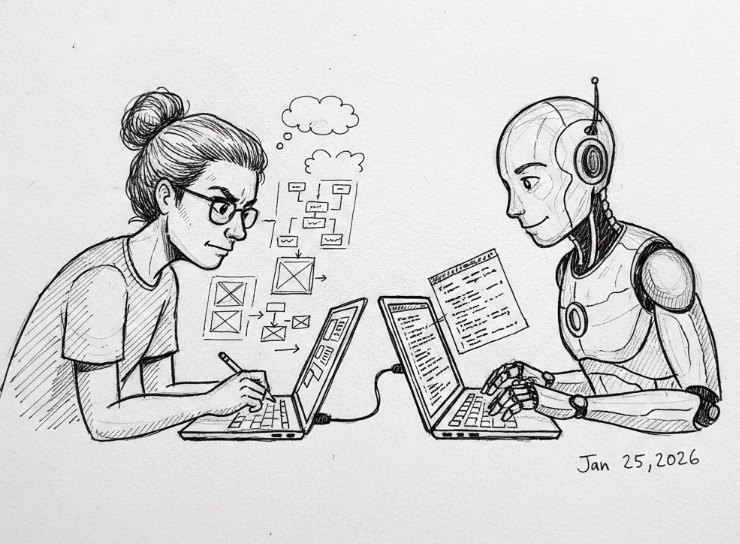
The most valuable workers in 2026 will be those who know how to work with AI agents, not fight them.
Final Verdict
Traditional automation built the foundation of modern work.
AI agents are building the next layer.
In 2026:
-
Traditional automation keeps systems stable
-
AI agents make systems intelligent
The future of work belongs to those who understand both — and know when to use each.